Cost of Home Repairs in the UK: What Influences Pricing and How to Save Money
Understanding the cost of home repairs in the UK is a major concern for homeowners, landlords, and property investors. Repair costs can vary widely depending on the nature of the work, the urgency, and the condition of the property. Without proper planning and professional guidance, homeowners may find themselves facing unexpected expenses that strain their budget.
UK homes often require ongoing repairs due to ageing structures, weather exposure, and outdated systems. Knowing what influences repair costs and how to manage them effectively allows homeowners to make informed decisions and avoid unnecessary spending.
Factors That Influence Home Repair Costs in the UK
Several factors determine how much a home repair will cost. One of the most significant is the type of repair required. Plumbing, electrical, heating, and structural repairs generally cost more than cosmetic work due to the skills and materials involved.
The urgency of the repair also plays a major role. Emergency repairs often cost more because they require immediate response, extended working hours, or rapid sourcing of materials. Delaying a repair, however, can result in even higher costs if damage worsens.
Property age is another important factor. Older UK homes may require specialised materials or additional work to meet modern safety standards. Repairs in period properties often take longer and require experienced professionals.
Location can also affect pricing. Labour and material costs may vary depending on region, accessibility, and local demand for repair services.
Common Home Repairs and Typical Cost Considerations
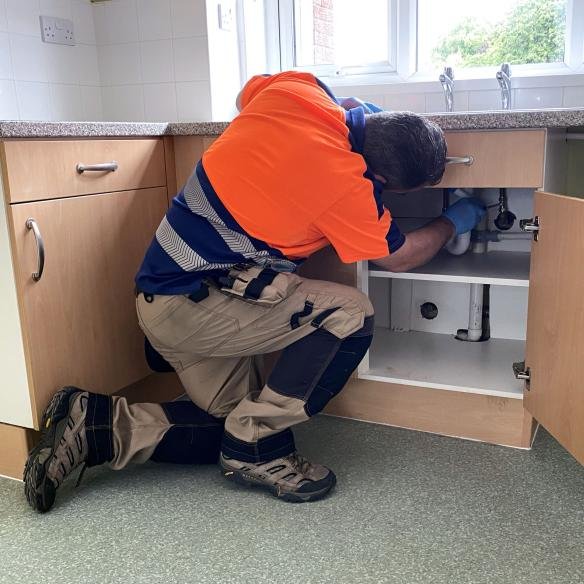
Plumbing repairs often vary depending on the severity of the issue. Minor leaks or tap repairs are relatively affordable, while burst pipes or extensive water damage significantly increase costs.
Electrical repairs depend on the complexity of the system. Replacing sockets or light fittings is less expensive than rewiring sections of the home or upgrading consumer units.
Heating and boiler repairs range from simple component replacements to full system repairs or replacements. Regular servicing helps reduce the likelihood of costly breakdowns.
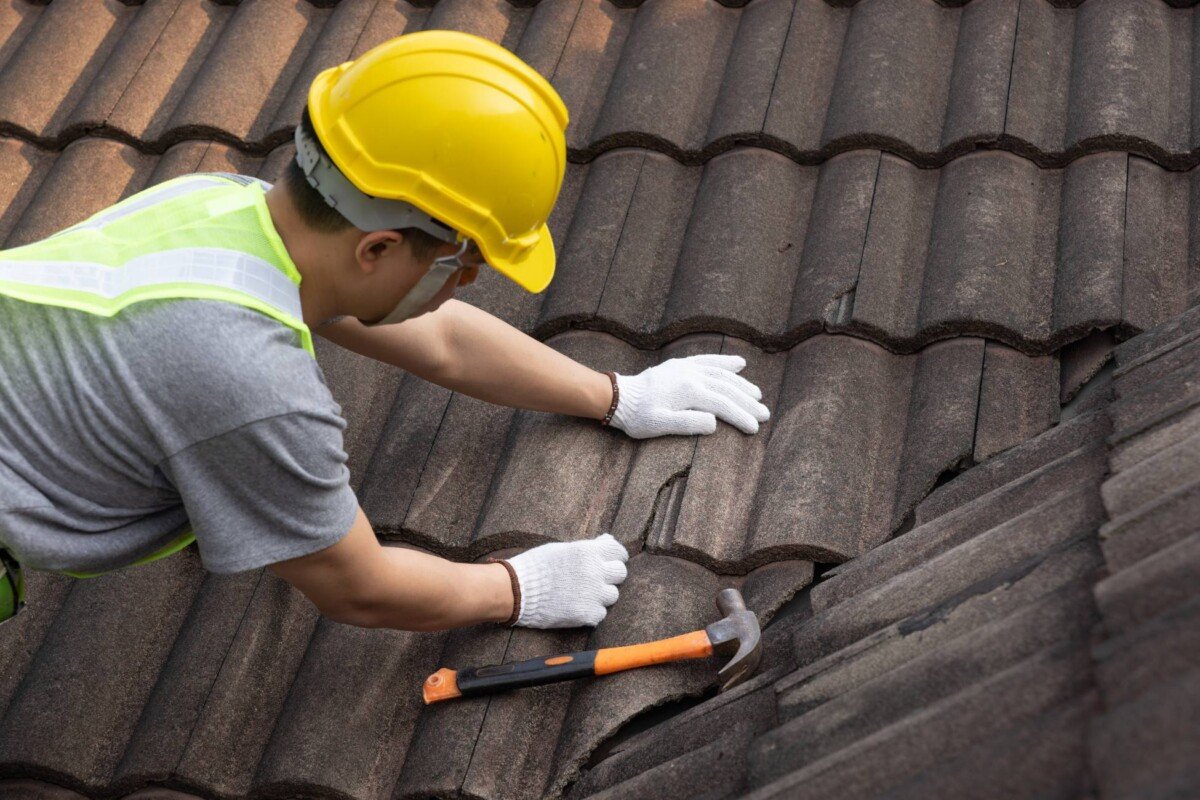
Roof repairs depend on the extent of damage and accessibility. Minor tile replacements are far less expensive than major roof leaks or structural repairs.
Why Delaying Repairs Increases Costs
Many homeowners postpone repairs to save money, but this often has the opposite effect. Small issues tend to worsen over time, leading to more extensive damage.
A minor leak can result in damp, mould, and structural decay if ignored. Electrical faults can damage appliances or create safety hazards. Addressing issues early reduces both repair complexity and cost.
How Professional Services Help Control Costs
Professional home repair services provide accurate assessments and effective solutions. Their expertise allows them to identify root causes rather than applying temporary fixes.
Professionals also help homeowners avoid unnecessary work by recommending appropriate repairs and maintenance. Quality workmanship reduces the likelihood of repeat repairs.
Ways to Save Money on Home Repairs
Regular maintenance is one of the most effective ways to reduce long-term costs. Routine inspections identify issues early and prevent emergencies.
Using a reliable repair service ensures work is done correctly the first time. Cheap, unverified services often result in poor workmanship and higher future costs.
Planning non-urgent repairs in advance allows homeowners to compare options and avoid emergency pricing.
Final Thoughts
Home repair costs in the UK depend on many factors, but proactive maintenance and professional services help keep expenses under control. Investing in quality repairs protects property value and provides long-term savings.